welcomeDawopu Group
Language selection:
 ∷
∷

∷
 ∷
∷
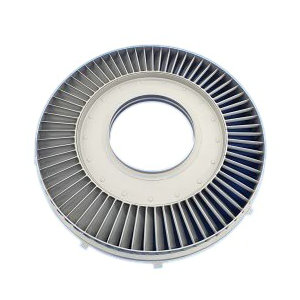
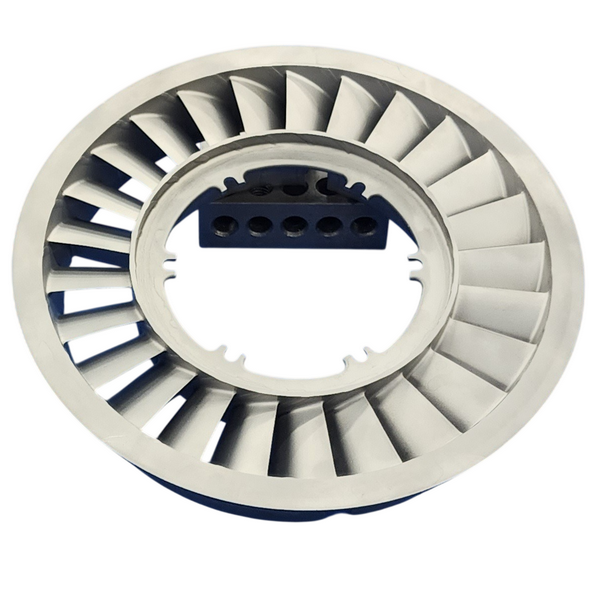
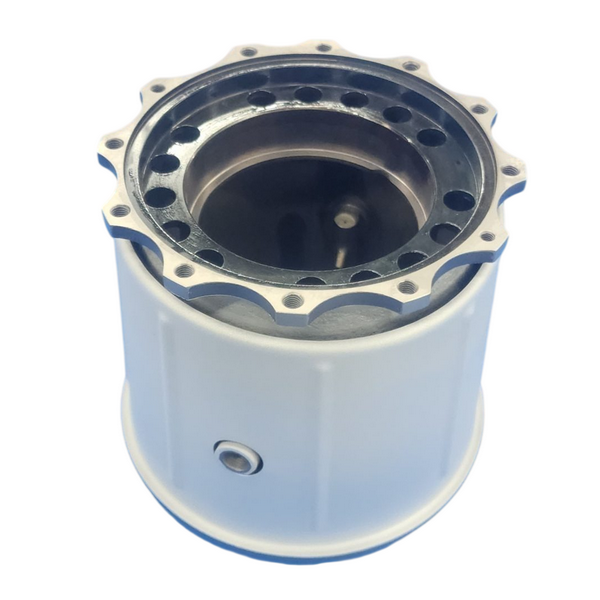
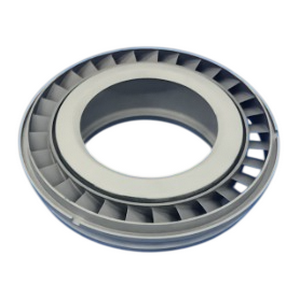
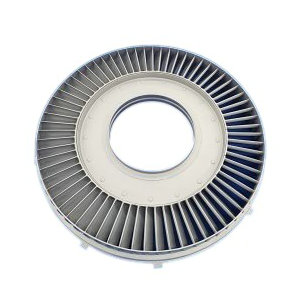
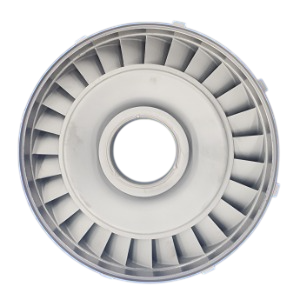
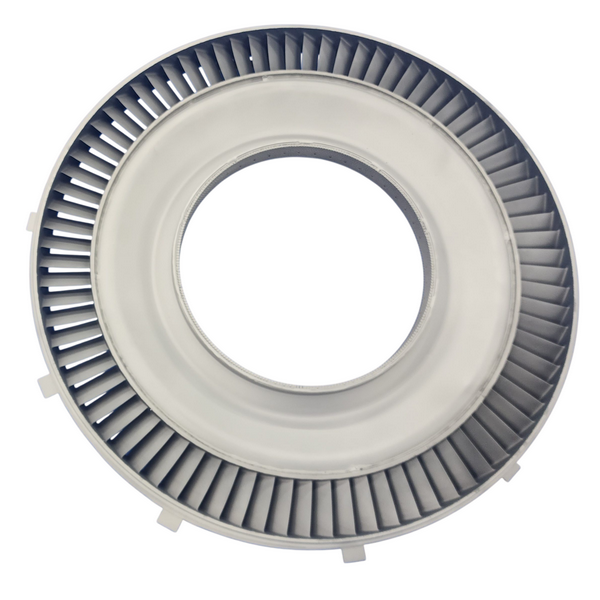
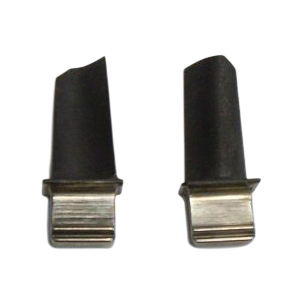
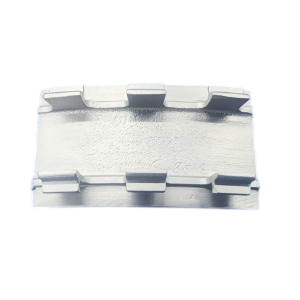
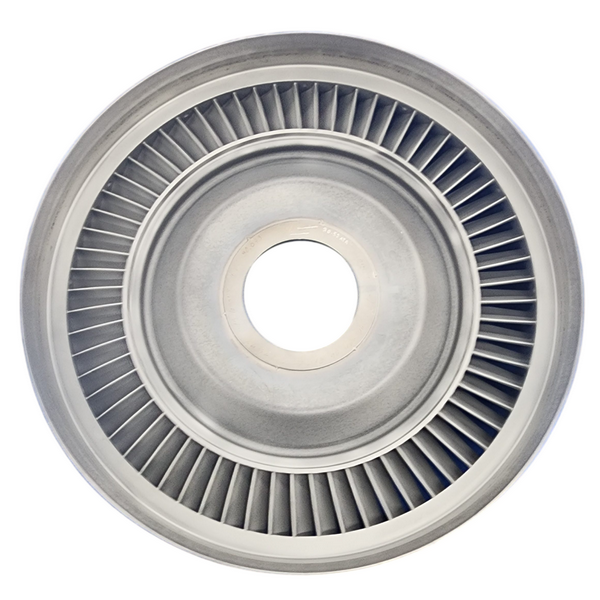
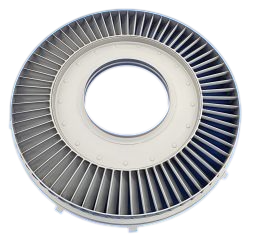 2nd Stage PT Nozzle
The 2nd Stage PT Nozzle (Power Turbine Nozzle) is a critical stationary component located within the power turbine section of a gas turbine engine. Positioned upstream of the second-stage power turbine blades, it directs and accelerates exhaust gases to ensure efficient energy extraction and smooth turbine operation.
As part of the power turbine assembly, the nozzle plays an essential role in converting gas pressure into controlled velocity while guiding airflow at the optimal angle toward the turbine rotor. This process helps maximize power output, improve fuel efficiency, and enhance overall engine reliability.
The aerodynamic profile of the 2nd Stage PT Nozzle is engineered to minimize turbulence and pressure losses while delivering uniform gas flow to the turbine blades. Accurate airflow management contributes to improved turbine performance and reduced operating costs.
Key benefits include:
Enhanced power turbine efficiency
Increased energy recovery
Improved fuel economy
Reduced aerodynamic losses
Stable operational performance
Although temperatures in the second-stage power turbine are lower than those experienced in the first stage, the component is still exposed to significant thermal and mechanical stresses. To ensure long-term durability, the nozzle is manufactured from advanced nickel-based superalloys offering excellent resistance to:
High-temperature oxidation
Corrosion
Thermal fatigue
Creep deformation
Mechanical wear
Additional protective technologies such as thermal barrier coatings (TBC) and advanced cooling designs may also be incorporated depending on application requirements.
Contact:Mr Liu
Mobile:15869109368
Tel:86-571-89967020
E-mail:info@dawopu.com
Address:No151 ,ZiDingXiang Rd, Hangzhou. Zhejiang Province, China