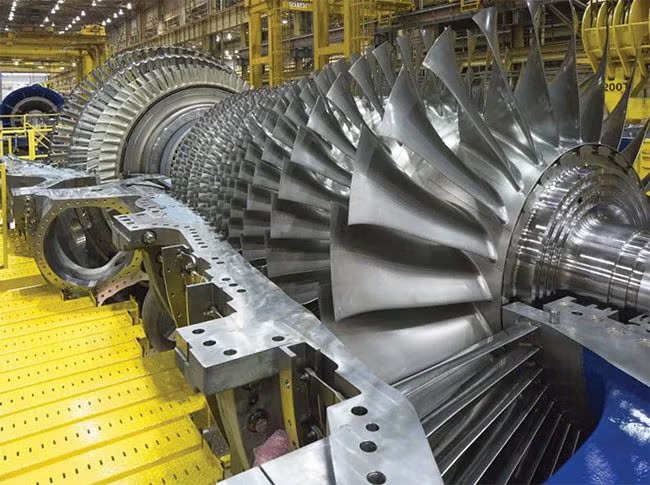
Steam Turbines in Modern Power Generation: Principles, Applications and Efficiency Improvements
As global demand for reliable and efficient energy continues to grow, steam turbines remain one of the most important technologies used in electricity generation and industrial power systems. From conventional thermal power plants to advanced combined-cycle facilities, steam turbines play a critical role in converting thermal energy into useful mechanical and electrical power.
At Dawopu, we manufacture and supply high-precision steam turbine components, turbine spare parts, and industrial power equipment parts for customers worldwide. Understanding how steam turbines operate and why they remain essential can help operators improve efficiency, reduce maintenance costs, and extend equipment life.
Understanding Steam Turbines
A steam turbine is a rotary mechanical device that transforms the energy contained in high-pressure steam into rotational motion. This rotational force is then used to drive electrical generators, pumps, compressors, and other industrial machinery.
The technology dates back to the late nineteenth century when British engineer Charles Parsons developed the modern steam turbine concept. Since then, steam turbines have evolved into highly sophisticated machines capable of delivering exceptional efficiency and reliability in demanding industrial environments.
Today, steam turbines are widely used in:
Fossil fuel power stations
Nuclear power plants
Combined-cycle power plants
Industrial cogeneration facilities
District heating systems
District cooling networks
Marine propulsion systems
Why Steam Turbines Are Important
Steam turbines are responsible for generating a significant portion of the world's electricity. Their ability to convert thermal energy into mechanical energy with high efficiency makes them a preferred choice for large-scale power production.
Key benefits include:
High Reliability
Steam turbines can operate continuously for extended periods under heavy loads with minimal interruptions.
Excellent Energy Conversion
Modern turbine designs maximize the utilization of steam energy, helping power plants achieve higher overall efficiencies.
Long Service Life
With proper maintenance and quality replacement components, steam turbines can remain operational for several decades.
Versatile Applications
Steam turbines can utilize heat generated from multiple sources, including:
Coal-fired boilers
Natural gas systems
Biomass plants
Nuclear reactors
Solar thermal facilities
Waste heat recovery systems
How Does a Steam Turbine Work?
The operating principle of a steam turbine is relatively straightforward, although the engineering involved is highly advanced.
Step 1: Steam Production
Water is heated using a thermal energy source and converted into high-pressure steam. The temperature and pressure of the steam are carefully controlled to maximize performance.
Step 2: Steam Expansion
The high-pressure steam enters the turbine and passes through a series of stationary and rotating blades.
As the steam expands, its pressure decreases while its velocity increases. The energy contained within the steam is transferred to the turbine rotor.
Step 3: Rotor Rotation
The force generated by the steam causes the rotor shaft to rotate at high speed. Depending on the application, rotational speeds can range from several thousand to over ten thousand revolutions per minute.
Step 4: Electricity Generation
The rotating shaft is connected to an electrical generator. Mechanical energy is converted into electrical energy and supplied to the power grid or industrial facility.
Step 5: Steam Recovery
After leaving the turbine, the steam is either condensed back into water or utilized for industrial heating applications before returning to the boiler system.
Factors Affecting Steam Turbine Efficiency
Efficiency remains one of the most important performance indicators for turbine operators.
Steam turbine efficiency measures how effectively thermal energy is converted into useful mechanical or electrical power.
Improved efficiency delivers several advantages:
Lower fuel consumption
Reduced operating expenses
Lower carbon emissions
Increased plant profitability
Improved energy security
Several factors influence turbine efficiency:
Steam Conditions
Higher steam pressure and temperature generally improve energy conversion performance.
Blade Design
Modern aerodynamic blade profiles reduce energy losses and improve steam flow characteristics.
Mechanical Condition
Wear, erosion, corrosion, and blade damage can significantly reduce turbine output.
Condenser Performance
Efficient steam condensation improves overall cycle efficiency and increases power generation capacity.
Maintenance Quality
Regular inspection and replacement of critical turbine components help maintain peak performance.
At Dawopu, precision-manufactured turbine blades, shafts, seals, couplings, and custom-machined spare parts help power plant operators maintain reliable and efficient turbine operation.
Heat Rate and Performance Optimization
Another key performance metric used by power plant operators is heat rate.
Heat rate measures the amount of thermal energy required to generate one kilowatt-hour of electricity. Lower heat rates indicate better efficiency and reduced fuel consumption.
Power producers continuously seek to improve heat rates through:
Turbine upgrades
Advanced blade technologies
Improved steam path designs
Better condenser performance
Heat recovery systems
Digital monitoring and predictive maintenance
Many modern facilities also integrate Heat Recovery Steam Generators (HRSG) to capture waste heat and improve overall plant efficiency.
Main Types of Steam Turbines
Steam turbines can be classified in several ways depending on their design and operating characteristics.
Impulse Turbines
Impulse turbines operate by directing high-velocity steam jets onto turbine blades.
In this design:
Steam pressure drops primarily in the nozzle stage.
High steam velocity creates rotational force.
Fewer stages are often required.
Construction can be simpler and more compact.
Impulse turbines are commonly used in applications where significant pressure reduction is required in a limited number of stages.
Reaction Turbines
Reaction turbines generate power through both steam pressure and velocity changes as steam flows through the blades.
Characteristics include:
Pressure reduction occurs across multiple stages.
Higher efficiency in many large-scale applications.
Smoother energy transfer.
Larger physical size compared to impulse turbines.
The Parsons turbine is the most well-known example of a reaction turbine and remains widely used in utility-scale power generation.
Condensing and Back-Pressure Turbines
Steam turbines can also be categorized according to their exhaust steam conditions.
Condensing Steam Turbines
Condensing turbines discharge steam into a condenser operating below atmospheric pressure.
Benefits include:
Maximum power output
Higher energy extraction
Improved electrical generation efficiency
These turbines are commonly found in utility power stations.
Back-Pressure (Non-Condensing) Turbines
Back-pressure turbines exhaust steam at pressures above atmospheric levels.
The remaining steam can then be used for:
Industrial process heating
District heating systems
Manufacturing operations
These systems are widely used in combined heat and power (CHP) facilities where overall energy utilization is prioritized.
Future Trends in Steam Turbine Technology
As energy systems become more efficient and environmentally responsible, steam turbine technology continues to evolve.
Key industry trends include:
Advanced high-temperature materials
Improved blade aerodynamics
Digital monitoring systems
Predictive maintenance technologies
Hydrogen-compatible power generation
Waste heat recovery integration
Enhanced turbine efficiency optimization
These developments help operators achieve greater reliability while reducing operational costs and environmental impact.
Conclusion
Steam turbines remain one of the most important technologies in modern energy production. Their ability to efficiently convert thermal energy into mechanical and electrical power ensures their continued role in power generation, industrial manufacturing, district heating, and renewable energy systems.
As power plants pursue higher efficiency and lower emissions, the demand for precision-engineered turbine components and reliable maintenance solutions continues to increase.
Dawopu specializes in manufacturing high-quality steam turbine spare parts, turbine shafts, blades, couplings, precision-machined components, and customized industrial equipment parts. With advanced manufacturing capabilities and strict quality control, Dawopu supports customers worldwide in achieving reliable, efficient, and cost-effective turbine operation.