Russia Agricultural Machinery Spare Parts Market Shows Strong Import Dependence, Aftermarket Demand Continues to Grow
The agricultural machinery spare parts market in Russia continues to demonstrate stable demand driven by large-scale grain production, aging equipment fleets, and ongoing reliance on imported machinery components. Despite the development of domestic manufacturing capabilities, the Russian agricultural sector remains significantly dependent on foreign brands and replacement parts, especially for high-performance equipment used in wheat, barley, corn, and oilseed farming.
Industry data and customs trade patterns show that spare parts imports remain an essential component of Russia’s agricultural supply chain, particularly for seeding systems, harvesting components, and wear-resistant mechanical parts.
1. Russia’s Large-Scale Agriculture Drives Machinery Demand
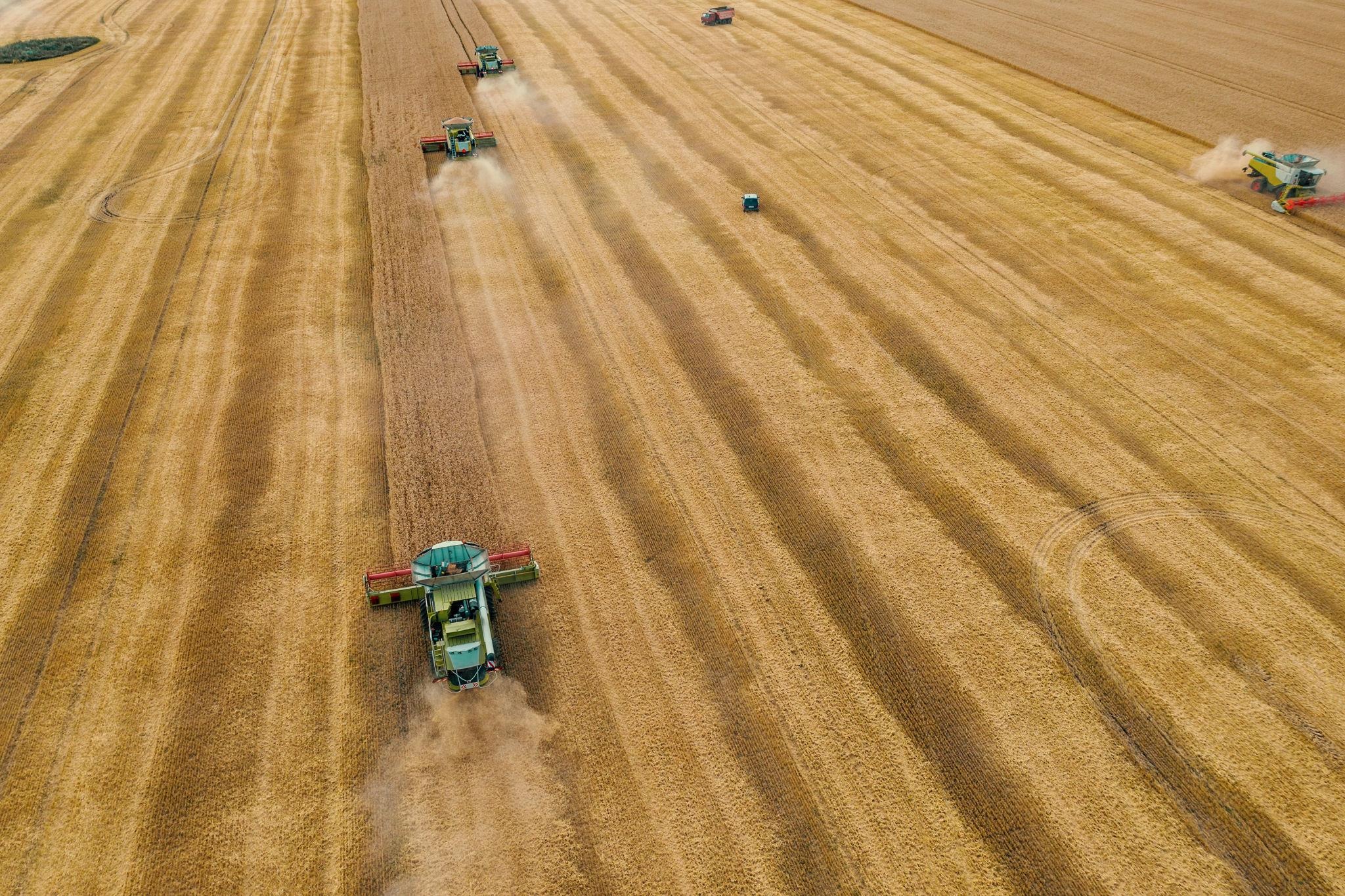
The Russian Federation remains one of the world’s largest grain exporters. Major agricultural regions include the Krasnodar region, Rostov region, and parts of Siberia and the Volga area. These regions rely heavily on mechanized farming due to vast land areas and short harvesting windows.
Key crops include:
- Wheat
- Barley
- Corn
- Sunflower seeds
- Rapeseed
Due to the scale of production, farms typically operate high-capacity tractors, combine harvesters, and large seeding systems.
2. Dominant Agricultural Machinery Brands in Russia
The Russian agricultural machinery market is characterized by a combination of imported equipment and domestic production.
The most widely used international brands include:
- John Deere
- CLAAS
- Case IH
- New Holland Agriculture
- Horsch
Domestic manufacturers such as Rostselmash also play a significant role, especially in combine harvesters and tractors.
However, a large installed base of imported machinery remains in operation, especially in older fleets purchased over the past 10–15 years.
3. Spare Parts Demand Driven by Equipment Aging
One of the key factors shaping the Russian aftermarket is the aging of machinery fleets. A considerable proportion of tractors, seeders, and combines in use are more than 7–12 years old, which significantly increases maintenance requirements.
The most common spare parts demand categories include:
Seeding System Components
- Disc openers
- Coulters
- Seed tubes
- Gauge wheels
- Closing wheels
- Scrapers
Harvesting Machine Components
- Knife sections
- Guards
- Chains and sprockets
- Wear plates
- Bearings and shafts
Structural Wear Parts
- Bushings
- Pins
- Rubber damping components
- Hydraulic cylinder repair kits
These components are frequently replaced due to continuous field operation under heavy load conditions.
4. Import Dependency Remains High in Spare Parts Segment
Despite domestic production efforts, Russia continues to rely on imported spare parts for many advanced agricultural systems, particularly for European and North American machinery platforms.
Several factors contribute to this situation:
- Limited local production of precision components
- Compatibility requirements with OEM machinery
- High demand for durable wear parts
- Strong presence of imported seeding systems (especially European designs)
As a result, import channels remain active through various trade routes and distributors, particularly for compatible aftermarket components.
5. Regional Distribution of Demand
Agricultural machinery spare parts demand is not evenly distributed across Russia.
Southern Russia (Krasnodar, Rostov)
- High-intensity crop production
- Strong demand for seeding and harvesting parts
- Large commercial farms
Volga Region
- Mixed grain production
- Moderate-to-high machinery density
- Stable spare parts consumption
Siberia
- Large-scale grain farming
- Harsh working conditions
- Higher wear rate of components
These regions form the core demand base for agricultural spare parts imports.
6. Aftermarket Growth and Cost Optimization Trends
Russian agricultural operators are increasingly focused on reducing operational costs while maintaining productivity. This has led to:
- Higher acceptance of compatible replacement parts
- Increased demand for non-OEM alternatives
- Expansion of independent distributors and service workshops
- Strong interest in durable but cost-effective components
In many cases, aftermarket parts provide a cost advantage of 30%–60% compared to original equipment manufacturer pricing, making them attractive for large-scale farm operations.
7. Role of Global Suppliers and Manufacturing Flexibility
International suppliers continue to play an important role in Russia’s agricultural spare parts ecosystem. Manufacturers capable of producing OEM-compatible parts with stable quality and flexible customization are particularly competitive.
In this context, Dawopu is positioned as a supplier focusing on agricultural machinery spare parts including:
- CNC-machined metal components
- Seeder system replacement parts
- Rubber damping and shock absorption parts
- Wear-resistant structural components
- Customized agricultural machinery parts based on drawings or samples
Dawopu’s production approach emphasizes compatibility with widely used machinery platforms such as seeding systems and harvesting equipment found in Russian farms.
Rather than targeting complete machinery manufacturing, the focus remains on high-frequency replacement parts that are essential for seasonal agricultural operations.
8. Logistics and Trade Considerations
The spare parts supply chain into Russia is influenced by several logistical and regulatory factors:
- Long transportation routes from Asia and Europe
- Customs clearance procedures
- Regional distributor networks
- Seasonal demand peaks (planting and harvest periods)
As a result, suppliers often work through established distributors and maintain inventory planning aligned with agricultural cycles.
9. Market Outlook: Stable Long-Term Spare Parts Demand
The outlook for Russia’s agricultural spare parts market remains stable, supported by:
- Continued large-scale grain production
- Aging installed machinery base
- Dependence on mechanized agriculture
- Ongoing need for cost-effective maintenance solutions
Even with fluctuations in global trade conditions, agricultural production remains a strategic sector, ensuring continuous demand for machinery maintenance and replacement components.