The Unsung Heroes of Advanced Technology
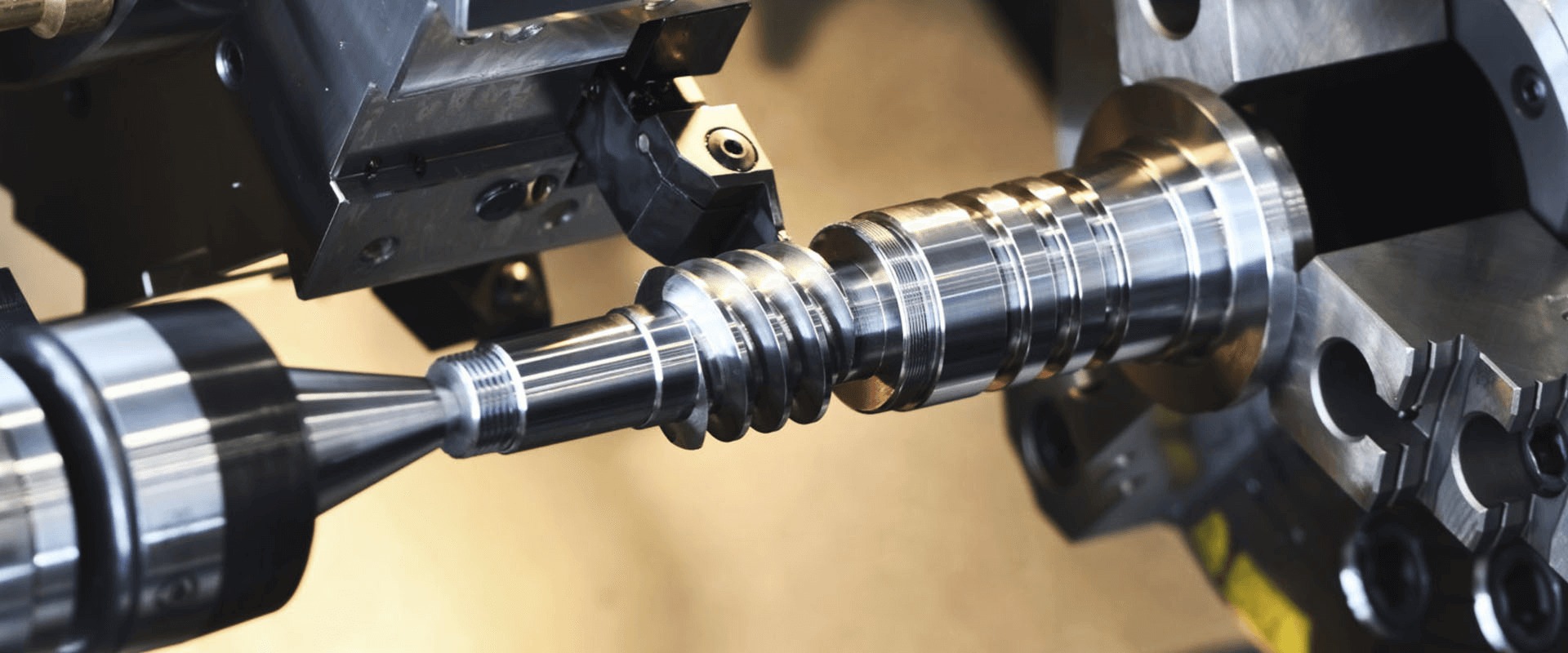
CNC turned parts serve as the foundational building blocks of today’s most advanced technologies. From complex aerospace assemblies to life-saving medical devices, these rotationally symmetrical components deliver the exact precision and consistency required by high-performance systems. Created by spinning raw material on a CNC lathe while cutting tools shape the exterior and interior features, turned parts can range from simple pins to complex geometries featuring threads, grooves, and intricate profiles—all manufactured to exacting tolerances.
CNC turned parts serve as the foundational building blocks of today’s most advanced technologies. From complex aerospace assemblies to life-saving medical devices, these rotationally symmetrical components deliver the exact precision and consistency required by high-performance systems. Created by spinning raw material on a CNC lathe while cutting tools shape the exterior and interior features, turned parts can range from simple pins to complex geometries featuring threads, grooves, and intricate profiles—all manufactured to exacting tolerances.
Manufacturers across the globe depend on CNC turned parts for their reliability, production speed, and cost-effectiveness. However, not all turned parts are created equal. Understanding how CNC turning works, the critical role of material selection, and what to look for in a manufacturing partner can provide valuable insight into the precision-driven world of advanced manufacturing.
How Modern CNC Turning Works
CNC turning utilizes computer-controlled lathes that rotate raw material—typically bars or billets—while stationary cutting tools remove material in precise circular paths. This process excels at producing symmetrical, round parts with highly accurate outer diameters, bores, grooves, and threads. Unlike milling, which removes material from a static workpiece, turning is exceptionally efficient for cylindrical shapes. Modern manufacturing facilities enhance this efficiency by utilizing live tooling, bar feeders, and sub-spindles, allowing complex features on both ends of a part to be completed in a single setup.
CNC turning utilizes computer-controlled lathes that rotate raw material—typically bars or billets—while stationary cutting tools remove material in precise circular paths. This process excels at producing symmetrical, round parts with highly accurate outer diameters, bores, grooves, and threads. Unlike milling, which removes material from a static workpiece, turning is exceptionally efficient for cylindrical shapes. Modern manufacturing facilities enhance this efficiency by utilizing live tooling, bar feeders, and sub-spindles, allowing complex features on both ends of a part to be completed in a single setup.
Applications Across High-Stakes Industries
CNC turned parts are indispensable in critical applications where failure is not an option. In the medical sector, they are transformed into orthopedic pins, implant screws, and surgical instruments. In aerospace, they serve as fuel nozzles, bushings, and turbine components. The automotive and industrial automation sectors also rely heavily on turned parts for gear shafts, sensors, and fluid connectors. These high-stakes industries demand consistent quality, strict traceability, and flawless repeatability—standards that top-tier CNC turning shops are built to provide.
CNC turned parts are indispensable in critical applications where failure is not an option. In the medical sector, they are transformed into orthopedic pins, implant screws, and surgical instruments. In aerospace, they serve as fuel nozzles, bushings, and turbine components. The automotive and industrial automation sectors also rely heavily on turned parts for gear shafts, sensors, and fluid connectors. These high-stakes industries demand consistent quality, strict traceability, and flawless repeatability—standards that top-tier CNC turning shops are built to provide.
The Critical Role of Material Selection
The success of a CNC turned part begins with selecting the optimal raw material. Stainless steel, titanium, brass, aluminum, and engineered plastics each offer distinct strengths and machining behaviors. Some materials provide superior corrosion resistance, while others offer exceptional strength-to-weight ratios or thermal stability. Experienced CNC turning partners can recommend material options that perfectly balance performance, machinability, and cost, especially for demanding environments or strict regulatory specifications.
The success of a CNC turned part begins with selecting the optimal raw material. Stainless steel, titanium, brass, aluminum, and engineered plastics each offer distinct strengths and machining behaviors. Some materials provide superior corrosion resistance, while others offer exceptional strength-to-weight ratios or thermal stability. Experienced CNC turning partners can recommend material options that perfectly balance performance, machinability, and cost, especially for demanding environments or strict regulatory specifications.
Tooling and Setup: Where Precision Begins
Tooling is one of the most critical factors in CNC turning. Manufacturers utilize a wide array of inserts, boring bars, grooving tools, and threading systems, all carefully selected based on the specific material and geometry of the part. Proper machine setup is essential to minimize vibration, deflection, and tool wear, thereby maintaining tight tolerances over long production runs. High-end machining centers equipped with live tooling and sub-spindle finishing capabilities are crucial for reducing cycle times and eliminating handling errors.
Tooling is one of the most critical factors in CNC turning. Manufacturers utilize a wide array of inserts, boring bars, grooving tools, and threading systems, all carefully selected based on the specific material and geometry of the part. Proper machine setup is essential to minimize vibration, deflection, and tool wear, thereby maintaining tight tolerances over long production runs. High-end machining centers equipped with live tooling and sub-spindle finishing capabilities are crucial for reducing cycle times and eliminating handling errors.
From Prototype to High-Volume Production
CNC turned parts are not exclusively for high-volume manufacturing. Advanced turning centers can economically accommodate small batches or even single prototypes. Quick-change tooling and digital programming allow modern shops to transition between jobs with minimal downtime. This flexibility enables engineers to test designs early and seamlessly scale up to thousands of units once performance is validated. Manufacturers capable of supporting both prototyping and mass production provide long-term value as true manufacturing partners.
CNC turned parts are not exclusively for high-volume manufacturing. Advanced turning centers can economically accommodate small batches or even single prototypes. Quick-change tooling and digital programming allow modern shops to transition between jobs with minimal downtime. This flexibility enables engineers to test designs early and seamlessly scale up to thousands of units once performance is validated. Manufacturers capable of supporting both prototyping and mass production provide long-term value as true manufacturing partners.
Surface Finish and Post-Processing
The surface finish of a CNC turned part is not merely aesthetic; it directly impacts performance, particularly in sealing or bearing applications. When conditions are optimized, turning can produce exceptionally fine surface finishes. Furthermore, secondary operations such as polishing, anodizing, passivation, or heat treatment are often added depending on the part’s end use. The ability to manage these post-processing steps in-house ensures uncompromising part quality from raw material to final delivery.
The surface finish of a CNC turned part is not merely aesthetic; it directly impacts performance, particularly in sealing or bearing applications. When conditions are optimized, turning can produce exceptionally fine surface finishes. Furthermore, secondary operations such as polishing, anodizing, passivation, or heat treatment are often added depending on the part’s end use. The ability to manage these post-processing steps in-house ensures uncompromising part quality from raw material to final delivery.
Choosing the Right Manufacturing Partner
Not all machine shops offer the same level of expertise. When evaluating a CNC turning partner, it is vital to assess their industry experience, quality certifications, inspection capabilities, and automation tools. Key questions include whether they can scale with your production needs, provide comprehensive traceability and quality documentation, and consistently deliver on time with low scrap rates. The answers to these questions often matter far more than price alone and are directly reflected in the success of your end product.
Not all machine shops offer the same level of expertise. When evaluating a CNC turning partner, it is vital to assess their industry experience, quality certifications, inspection capabilities, and automation tools. Key questions include whether they can scale with your production needs, provide comprehensive traceability and quality documentation, and consistently deliver on time with low scrap rates. The answers to these questions often matter far more than price alone and are directly reflected in the success of your end product.
Driving Precision Forward with Dawopu